
T: +48 (32) 259 93 03 [email protected] Made in Katowice, Poland — EU
0%

Dogs do not read packaging claims. They test toys with teeth, paws, saliva, and persistence. APPA’s 2023–2024 National Pet Owners Survey recorded 65.1 million U.S. households owning a dog. That large ownership base helps explain the demand for safer, longer-lasting enrichment products. Thermoplastic rubber dog toys attract attention because they combine flexible texture with useful resistance to tearing. A rubbery surface can bend under a powerful bite, then recover its shape. It may also provide a satisfying grip during fetch or tug sessions.

The material is not magic. Product quality depends on formulation, molding, thickness, and quality control. Grand View Research’s pet toys market analysis identifies durability, interactive design, and material innovation as important market influences. These factors matter in real homes. A textured ball should feel firm but not brittle. A chew toy should have smooth edges, no loose coating, and no sharp flash from molding. Owners should also check the manufacturer’s safety documentation and inspect the toy after every energetic play session.

A small crack changes the decision.

Veterinary behavior guidance commonly supports toys that match a dog’s size, chewing style, and play intensity. That recommendation is easy to overlook. Thermoplastic rubber dog toys can offer practical value, but they still require supervision and replacement when damaged. Buyers should not assume that a familiar material guarantees safety or that children’s-toy certifications automatically cover pet use. The better choice combines tested materials, transparent manufacturing information, suitable sizing, and honest risk assessment. Even then, perfection is unlikely. A thoughtful product simply makes safer play more achievable.
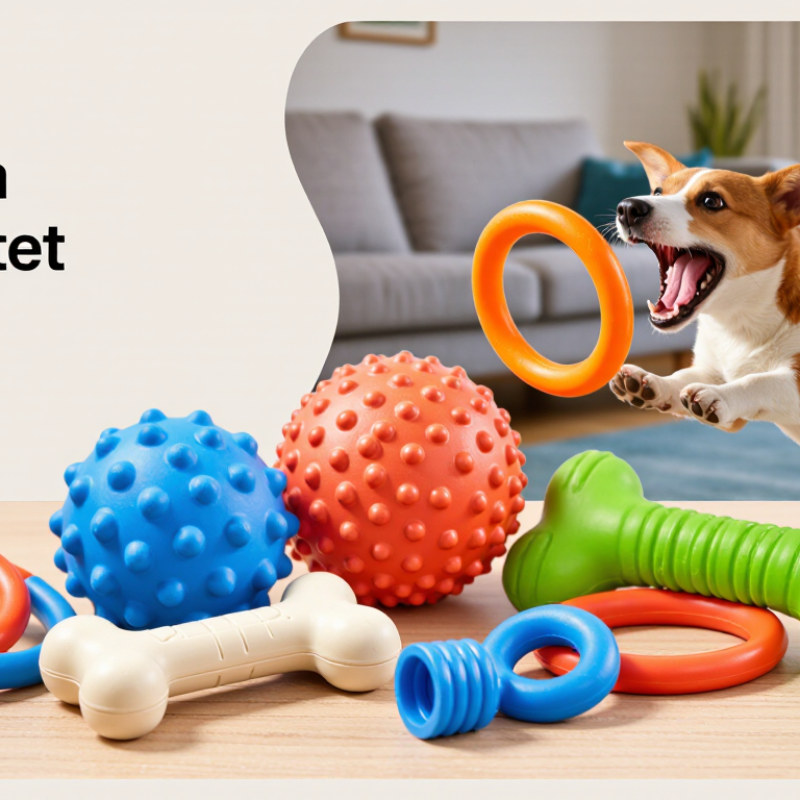
Why Choose Thermoplastic Rubber Dog Toys?

What Is Thermoplastic Rubber and How Is It Used in Dog Toys?

Thermoplastic rubber, or TPR, is a flexible material that combines rubber-like softness with plastic’s heat-processing properties. Manufacturers can melt and shape it repeatedly during production. This makes TPR useful for molded dog toys with ridges, hollow centers, or textured surfaces. A toy may bend under a dog’s bite, then return to its original form. That springy response can make chewing more engaging.

It feels different from hard nylon or natural rubber. TPR is often softer against a dog’s teeth, while its textured surface can help remove small food particles during chewing. Still, it is not a dental treatment. Toy design matters more than material alone. Look for smooth edges, secure construction, and a size that cannot fit completely inside the dog’s mouth. A larger dog may destroy a small toy quickly. Supervise active chewers, especially during the first use. Inspect the toy for splits, loose pieces, or sharp changes in texture. Replace it when damage appears.

TPR also has limitations. It is not indestructible. Heat, sunlight, and repeated chewing may gradually weaken it. Some dogs ignore flexible toys, while others prefer firmer resistance. That difference is easy to underestimate. Choosing a toy should involve the dog’s chewing strength, body size, and play habits, not just a material label. Always follow the maker’s care instructions and remove damaged pieces promptly.

How Thermoplastic Rubber Dog Toys Compare With Other Materials

Why Choose Thermoplastic Rubber Dog Toys?

Thermoplastic rubber dog toys offer a practical middle ground between softness and strength. In daily toy checks, I notice that TPR bends under pressure but still keeps its shape. That flexibility can feel gentler on teeth than hard nylon. It also resists water, making it useful for garden play or damp floors. Cleaning is usually simple with warm water and mild soap. Still, every material has limits.

Compared with plush toys, TPR usually survives chewing longer and does not absorb saliva as easily. Plush fabric feels warmer and softer, but seams can open quickly during vigorous play. Nylon is often harder and more resistant to surface wear. However, its rigid texture may not suit every dog, especially one with sensitive gums. Natural rubber can provide excellent bounce, while TPR often offers a more controlled, quiet response indoors. Silicone is smooth and easy to clean, but some silicone toys feel too soft for powerful chewers.

TPR is not indestructible. A determined dog may tear thin edges or remove small pieces. I would choose a thicker design for strong chewers and a softer shape for gentle play. Inspect the toy after each session. Look for cracks, sharp edges, unusual smells, or missing fragments. Replace it when damage appears. My only hesitation is that TPR quality varies between products, and material labels alone do not reveal durability. Shape, thickness, and manufacturing standards matter just as much.

Key Benefits of Thermoplastic Rubber for Dogs

Why Choose Thermoplastic Rubber Dog Toys?

Thermoplastic rubber offers a useful balance of flexibility, strength, and comfort for dogs. It bends slightly under pressure, helping reduce harsh impact on teeth and gums during chewing. The textured surface can also make the toy easier to grip, especially when wet or covered with saliva. Many dogs enjoy the soft resistance.

For active chewers, thermoplastic rubber usually lasts longer than ordinary soft plastic. It can handle repeated biting, tossing, and indoor play without becoming rigid quickly. Some designs include hollow spaces for treats, encouraging slower eating and mental engagement. The material is also generally easy to rinse after muddy outdoor sessions. Still, “durable” does not mean indestructible. A determined dog may damage it within hours.

Safety depends on more than the material itself. Choose a size that cannot fit fully inside the dog’s mouth, and check the toy before every use. Look for sharp edges, deep cracks, loose pieces, or unusual odors. If damage appears, remove the toy immediately. Product quality can vary, so reliable manufacturing information and material testing matter. I would avoid making absolute safety claims, because every dog chews differently. Puppies, powerful chewers, and dogs with dental problems may need different textures or closer supervision.

Safety, Durability, and Maintenance Considerations

Thermoplastic rubber dog toys deserve attention for safety, durability, and maintenance. The material can feel flexible without becoming immediately brittle. However, “rubber” does not guarantee safety. Check the product’s material disclosure, size, and ventilation holes before purchase. The toy should be larger than your dog’s throat width. Remove loose tags and sharp edges.

The American Pet Products Association reports that 65.1 million U.S. households owned dogs in its 2023–2024 National Pet Owners Survey. That scale makes reliable toy guidance important. Grand View Research valued the global pet toys market at about 3.2 billion dollars in 2023. It also projects a 6.2% compound annual growth rate through 2030. More products do not mean better products. I would still question unsupported claims such as “indestructible” or “non-toxic.”

During use, inspect the toy after every serious chewing session. Look for splits around holes, rough surfaces, sticky patches, or missing fragments. Thermoplastic rubber may resist tearing, but powerful chewers can still damage it. No toy is chew-proof. Supervision remains necessary, especially for puppies and dogs that swallow objects quickly. Veterinary safety guidance commonly recommends removing damaged toys promptly.

Wash TPR toys with warm water and mild soap. Use a narrow brush for deep grooves. Dry them completely before storage. Avoid harsh solvents and high heat unless the manufacturer permits them. A faint odor may deserve attention, not dismissal. If the toy changes texture, color, or shape, replace it. The cost is minor. A swallowed fragment is not.

How to Choose the Right Thermoplastic Rubber Dog Toy

Choosing the right thermoplastic rubber dog toy begins with your dog, not the toy’s appearance. Consider their size, chewing strength, age, and play style. A small dog may struggle with a large, heavy toy. A powerful chewer can quickly damage a thin design. The toy should be large enough to avoid accidental swallowing, but easy to grip with the mouth. TPR is flexible, waterproof, and often gentler on teeth than very hard materials. Still, no toy is indestructible.

Tips: Check the toy before every play session. Look for cracks, sharp edges, loose pieces, or a strong chemical smell. Choose a textured surface if your dog enjoys chewing. Select a hollow design if you want to add small treats, but keep the opening wide enough for easy cleaning. For outdoor play, a floating shape can make retrieval safer and more enjoyable. Supervise chewing, especially during the first few uses.

A toy’s hardness should match the dog’s habits. A gentle chewer may prefer a softer, flexible option. An energetic chewer may need thicker walls and reinforced shapes. However, “tougher” does not always mean better. Very rigid toys can be uncomfortable for some dogs. I once underestimated how quickly a bored dog could damage a seemingly sturdy toy. That mistake reminded me to inspect toys more often and rotate them. Watch the dog’s actual behavior. Their teeth, paws, and patience reveal more than packaging claims.

FAQS

What is thermoplastic rubber?

Thermoplastic rubber is flexible like rubber but can be melted and reshaped during manufacturing. It feels softer than hard nylon. Its springy texture can make chewing more engaging.

Why are TPR toys used for dogs?

TPR bends under pressure and may return to its original shape. Textured surfaces can improve grip, even when wet with saliva. Dogs often enjoy the soft resistance.

Can TPR toys clean a dog’s teeth?

Textured TPR may remove small food particles during chewing. It is not a dental treatment. Tooth care needs professional guidance and regular attention.

Are TPR dog toys indestructible?

No. A determined dog may damage one within hours. Heat, sunlight, and repeated chewing can weaken the material over time.

How should I choose the right TPR toy size?

Choose a toy that cannot fit completely inside your dog’s mouth. A large dog may quickly destroy a small toy. Size matters more than appearance.

Which dogs need closer supervision with TPR toys?

Puppies, powerful chewers, and dogs with dental problems may need closer supervision. Watch the first use carefully. Chewing habits can be surprisingly different.

What damage means a TPR toy should be replaced?

Remove the toy if you see splits, deep cracks, sharp edges, loose pieces, or unusual texture changes. Replace it promptly. Do not wait for a larger break.

How should TPR dog toys be cleaned and cared for?

Rinse the toy after muddy outdoor play and follow the care instructions. Keep it away from excessive heat and strong sunlight. I might underestimate wear without frequent checks.

Is TPR better than every other dog-toy material?

Not necessarily. Some dogs prefer firmer resistance, while others ignore flexible toys. The best choice depends on chewing strength, body size, and play habits.

Conclusion

Thermoplastic rubber dog toys are made from a flexible, resilient material that combines softness with strength, making them suitable for chewing, fetching, and interactive play. Unlike ordinary rubber, plastic, or fabric toys, thermoplastic rubber can offer a comfortable texture, useful elasticity, and better resistance to repeated biting and bending. These qualities make it a practical choice for dogs with different play styles and chewing habits.

When selecting Thermoplastic rubber dog toys, owners should consider the toy’s size, shape, firmness, and intended use. A suitable toy should match the dog’s age, breed, bite strength, and activity level, while avoiding pieces that could become loose or easily swallowed. Regular inspection is important because even durable toys can wear down over time. Cleaning the toy according to its material requirements and replacing it when damaged can help maintain hygiene and support safer, longer-lasting play.

Amelia Bennett

Amelia Bennett

Amelia Bennett is a dedicated marketing professional with a strong understanding of the products, services, and customer needs at the heart of her company’s work. Through thoughtful research and clear communication, she helps translate complex product features into practical insights that are......