
China’s pet market is expanding, but wholesale buyers need more than attractive colors and low prices. Slip-resistant dog bowls should support cleaner, calmer, and safer feeding routines. A bowl that slides across tile can spill water, scatter food, and frustrate nervous dogs. Small details matter.
Dr. Jerry Klein, Chief Veterinary Officer of the American Kennel Club, states, “A dog’s safety and well-being should always come first.” That principle should guide every purchasing decision. A reliable bowl needs a stable base, food-safe materials, smooth surfaces, and practical capacity. Silicone rings, weighted bottoms, and raised edges can reduce movement. However, no single design suits every breed, feeding habit, or home.
For wholesale importers, product testing should happen before large orders. Place each bowl on ceramic tile, vinyl, and unfinished wood. Add water, dry kibble, and wet food. Watch for sliding, tipping, trapped residue, and unpleasant odors. It is not perfect testing, but it reveals weaknesses quickly. Some bowls look stable in photographs and fail during real use.
China suppliers can offer flexible colors, packaging, private labeling, and volume pricing. Yet quality consistency must remain central. Ask for material details, production samples, inspection records, and cleaning guidance. Compare the bowl’s grip after repeated washing. Check the underside, too.
A strong wholesale range may include shallow bowls for short-nosed dogs, larger models for big breeds, and travel-friendly options. The market still has gaps. Some designs prioritize appearance over grip. Others use bases that collect dirt.
Choosing Slip-resistant dog bowls responsibly means balancing safety, usability, durability, and honest product claims. That balance earns retailer confidence and supports better daily experiences for dogs and their owners.
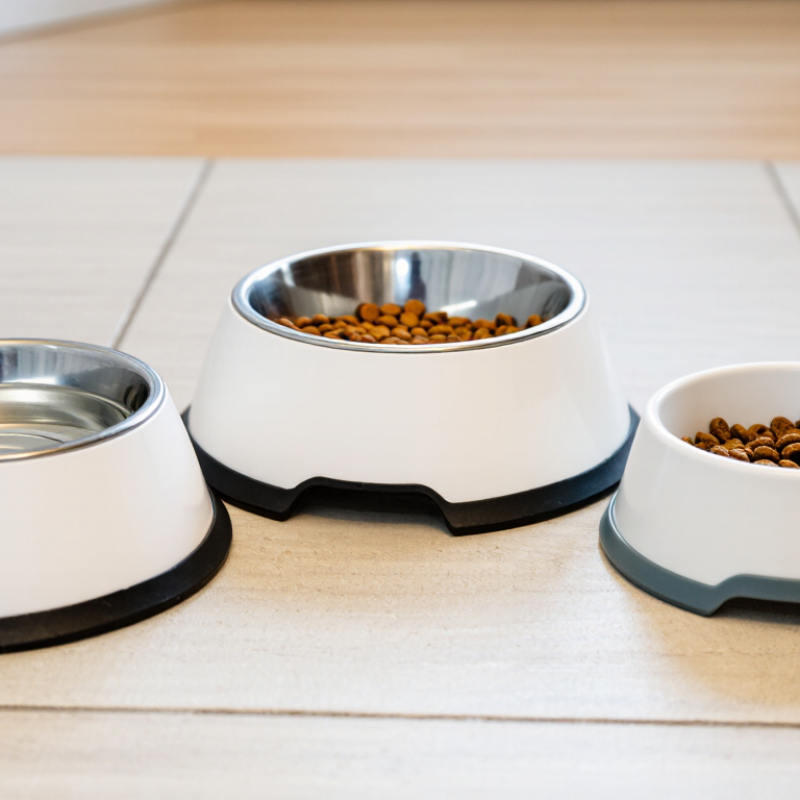
A slip resistant dog bowl needs more than a heavy body. Its base should grip the floor during feeding. Silicone or rubber rings can reduce sliding on tile, wood, and sealed concrete. The material should remain flexible without becoming sticky or brittle. A wide base also improves balance when a dog pushes the bowl with its nose.
Shape matters as much as weight. A low center of gravity helps prevent tipping. A raised rim can limit spills, while a smooth inner surface supports easier cleaning. For wholesale buyers, check the base connection carefully. Gaps may collect food or water. A well-finished edge should feel even, with no sharp flashing from production.
In practical testing, place the bowl on several floor surfaces. Add water first, then observe movement during repeated nudging. Real dogs are unpredictable. Some push harder than expected. I have found that a bowl stable on rubber flooring may still slide across polished tile. No design performs perfectly everywhere. That detail deserves honest product testing. Buyers should also review material durability, bowl weight, drainage, and cleaning instructions before placing large orders. Consistent inspection helps maintain reliable quality across production batches.
For wholesale buyers, top dog bowls in China should combine slip resistance, safe materials, and practical production details. A wide silicone or rubber base helps prevent sliding across tile floors. It also reduces noise during feeding. Stainless steel interiors resist odors, stains, and daily scratching. This matters in busy homes, kennels, and pet shops.
The bowl should feel balanced in one hand. Rounded edges make cleaning easier and reduce leftover food around the rim. Different sizes support small dogs, large breeds, and mixed product displays.
Elevation can improve comfort for some dogs, but it is not suitable for every animal. In my sourcing experience, drainage holes beneath the base are useful, although they can collect moisture when poorly designed.
Quality checks should include surface inspection, stability testing, odor checks, and sample washing.
Tips: Ask for several samples before placing a large order. Test them on tile, wood, and smooth plastic surfaces. Check whether the base remains attached after repeated washing. Confirm material details, bowl capacity, carton strength, and packaging protection. A clear size chart prevents costly misunderstandings. Small defects matter. One uneven rim can affect customer trust. Suppliers should provide consistent production records and responsive communication, even when the first sample needs improvement.
China Top Slip Resistant Dog Bowls for Wholesale
Materials and Designs for Safe, Stable Feeding
A reliable dog bowl begins with food-contact suitable materials and a stable structure. Stainless steel is durable, easy to clean, and resistant to lingering odors. Thick ceramic can also work well, but its surface should remain smooth and free from chips. Plastic options need careful material checks, especially when buyers expect repeated daily use.
The base matters just as much. A wide silicone ring can reduce sliding across tile or polished floors. A heavier bottom helps larger dogs, while a lower profile may suit short-nosed breeds. Raised edges can limit spills, but excessive height may make access uncomfortable. Small details matter.
Test before wholesale approval. Fill each bowl, push it across several floor types, and inspect the base after washing. Check seams, sharp edges, drainage gaps, and odor retention. Do not trust appearance alone. I once found a bowl that looked stable but moved during fast feeding. That result changed our inspection focus.
A practical design balances safety, cleaning, shipping weight, and cost. Rubber parts should fit tightly without trapping food. Smooth inner corners simplify wiping. Stackable shapes reduce warehouse space, yet overly narrow designs may tip more easily. No bowl is perfect. Buyers should match the design with the dog’s size, feeding habits, and home flooring.
| Product Design | Primary Material | Typical Capacity | Slip-Resistance Feature | Safety and Hygiene Characteristics | Recommended Dog Size | Common Wholesale Packaging | Indicative Wholesale Range (USD / Unit) |
|---|---|---|---|---|---|---|---|
| Standard Non-Slip Bowl | Food-grade stainless steel with a silicone or rubber base | 350–700 ml | Full-contact anti-skid ring or molded bottom pad | Rust-resistant, non-porous, easy to wash, and suitable for wet or dry food | Small to medium dogs | 24–48 units per carton | $2.20–$5.80 |
| Wide-Bottom Stable Bowl | Stainless steel with a weighted polypropylene or silicone base | 700–1,200 ml | Wide footprint helps reduce sliding and tipping during feeding | Durable inner surface with fewer food-retaining seams | Medium to large dogs | 12–24 units per carton | $4.50–$9.50 |
| Silicone Collapsible Bowl | Food-grade silicone with a reinforced rim | 400–900 ml | Flexible silicone base grips many smooth surfaces | Lightweight, foldable, and convenient for travel; should be fully dried after washing | Small to medium dogs | 50–100 units per carton | $1.80–$4.80 |
| Ceramic Bowl with Anti-Skid Base | Glazed ceramic with a silicone base or protective foot ring | 500–1,000 ml | Heavy body provides natural stability; base improves floor grip | Non-porous glazed surface is easy to clean; inspect regularly for chips or cracks | Small to medium dogs | 12–24 units per carton with protective inserts | $5.00–$11.00 |
| Slow-Feeder Anti-Gulp Bowl | Stainless steel or food-grade polypropylene | 500–1,000 ml | Non-slip base combined with internal ridges, mazes, or raised obstacles | Designed to encourage slower eating; choose smooth, washable structures | Fast-eating small to large dogs, depending on size | 12–24 units per carton | $4.20–$10.50 |
| Raised Double-Bowl Feeder | Stainless steel bowls with a powder-coated metal or polypropylene stand | 2 × 700–1,500 ml | Wide stand feet with rubber pads improve stability | Elevated position may improve feeding posture for some dogs; height should match the dog | Medium to large dogs | 4–12 sets per carton | $12.00–$28.00 |
| Tilted Front-Access Bowl | Stainless steel or polypropylene with a silicone anti-skid base | 500–900 ml | Low front edge and angled body help keep the bowl in position | Can make food access easier for short-nosed dogs; rounded edges simplify cleaning | Small to medium dogs | 12–24 units per carton | $5.50–$12.00 |
| Travel Water Bowl | Food-grade silicone with a carabiner or foldable support | 350–750 ml | Textured base limits movement on temporary feeding surfaces | Portable, lightweight, and easy to rinse; use clean drinking water for each refill | All dog sizes, subject to capacity | 50–100 units per carton | $2.00–$5.50 |
| Mat-Integrated Feeding Bowl | Stainless steel or silicone bowl fixed into a silicone feeding mat | 600–1,200 ml | Large silicone mat creates a broad, high-grip contact area | Helps contain spills; removable bowl and washable mat support routine hygiene | Small to large dogs, depending on bowl size | 8–16 sets per carton | $7.50–$18.00 |
| Puppy Shallow Bowl | Stainless steel, silicone, or BPA-free polypropylene | 250–500 ml | Low-profile anti-slip base reduces pushing while allowing easy access | Shallow shape supports easier eating for puppies; smooth surfaces are preferable | Puppies and toy breeds | 24–48 units per carton | $2.00–$5.00 |
| Heavy-Duty Kennel Bowl | Thick-gauge stainless steel with a reinforced rubber base | 1,000–2,500 ml | Heavy construction and broad base resist movement from active dogs | Suitable for frequent commercial cleaning; stainless steel resists odor absorption | Large and extra-large dogs | 6–12 units per carton | $8.00–$18.00 |
| Slow-Feeder Lick Mat Bowl | Food-grade silicone with suction or anti-skid underside | 300–800 ml equivalent feeding area | High-friction underside or suction zones limit movement | Useful for soft food and enrichment; clean grooves thoroughly after use | Small to medium dogs, depending on pattern depth | 24–48 units per carton | $3.50–$8.50 |
China Top Slip Resistant Dog Bowls for Wholesale
Choosing a reliable Chinese dog bowl supplier requires more than comparing unit prices. Request factory photos, production details, and a clear business license. A dependable supplier should explain material grades, silicone composition, bowl thickness, and packaging methods without avoiding specific questions. Ask for food-contact test reports when applicable. Documents should match the actual product, not a similar sample.
Order samples before discussing large quantities. Place each bowl on wet tile, polished concrete, and a slightly uneven floor. Watch whether the base slides when a dog pushes the rim. Check sharp edges, loose silicone, odor, stains, and water trapped beneath the base. It is also useful to test several sizes, because a stable small bowl may move when filled with larger portions. Small details matter.
Communication reveals a supplier’s working habits. Reliable teams confirm drawings, logo placement, color tolerances, carton measurements, and production timelines in writing. They should accept reasonable inspections and explain how defective goods are handled. Low minimum order quantities can help new buyers test demand, but unusually low prices deserve careful questioning. No supplier is perfect. I would still record every weakness, because rushing past one loose base or unclear document can create expensive problems during wholesale delivery.
Bowl capacity should match the dog’s size, meal portion, and drinking needs. When choosing a reliable Chinese wholesale supplier, confirm capacity with physical samples, check stainless-steel quality, inspect the non-slip base, and request food-contact safety documentation before placing a bulk order.
Wholesale buyers need more than attractive product photos. Slip resistant dog bowls should remain steady on tile, sealed concrete, and kennel floors. During practical checks, we look for a firm base, smooth edges, and stable weight distribution. A bowl can appear strong but still slide during feeding.
Wholesale pricing should show clear quantity tiers, packaging costs, and customization fees. Buyers may request engraved measurements, private labels, color changes, or special carton sizes. Custom work affects production time, so confirm samples before approving a large order. Small details matter. A poorly fitted label can make a reliable product look unfinished.
Quality checks should include surface inspection, base grip testing, capacity measurement, and repeated washing. We also recommend checking several units from different cartons. One sample is not enough. In our experience, minor inconsistencies sometimes appear after mass production, and we should not ignore them. A written inspection record improves communication and supports more dependable purchasing decisions.
Tips:
Request a pre-production sample.
Test the bowl on wet floors.
Confirm dimensions in writing.
Review carton strength before shipping.
Ask how defects are handled.
A flexible silicone or rubber base can grip tile, wood, and sealed concrete. Weight helps, but grip matters more. Not perfectly.
No. A wide base and low center of gravity improve stability. Some dogs still push hard with their noses.
Choose a broad, low bowl with balanced weight distribution. A raised rim can reduce water and food spills.
Place samples on tile, wood, rubber flooring, and sealed concrete. Add water, then repeat gentle nudging. Dogs are less predictable.
Check for firm attachment, even edges, and no sharp production flashing. Gaps may collect food, water, or cleaning residue.
A smooth inner surface supports easier washing. Test repeated cleaning and check whether the base becomes brittle or detached.
Buyers may request measurements, color changes, private labels, or different carton sizes. Confirm samples before approving mass production.
Inspect several bowls from different cartons. Check capacity, surface finish, grip, packaging strength, and defect handling in writing.
Request clear quantity tiers, packaging costs, customization fees, and production timing. Attractive photos are not enough. Samples reveal more.
Slip-resistant dog bowls are designed to stay firmly in place during feeding, reducing spills, sliding, and unnecessary mess. Their stability usually comes from non-slip rubber bases, weighted construction, broad bottoms, or raised edges that improve balance. For wholesale buyers, key features include durable materials, safe food-contact surfaces, easy cleaning, suitable sizes, and designs that support comfortable feeding for different breeds. Stainless steel, food-grade plastic, ceramic, and silicone each offer practical benefits when properly manufactured and tested.
When selecting a reliable Chinese dog bowl supplier, buyers should review production capabilities, material certifications, sample quality, and consistency between batches. Wholesale pricing should be evaluated alongside durability rather than based only on the lowest cost. Suppliers may also provide customization options such as colors, packaging, shapes, and logo-free private designs. Before placing a large order, buyers should inspect samples, test slip resistance, check dimensions and finishes, confirm packaging strength, and establish clear quality-control requirements.