
Direct factory supply of certified non-toxic rubber toys, anti-skid feeding bowls, and interactive pet accessories compliant with strict Japanese quality standards.
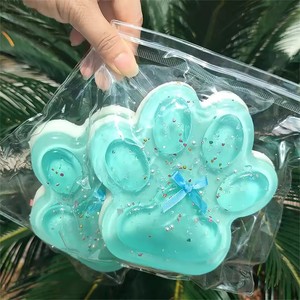
Ultra-malleable, high-density non-toxic rubber paw design engineered for calming sensory play and outdoor pet activity enrichment.
Get Catalog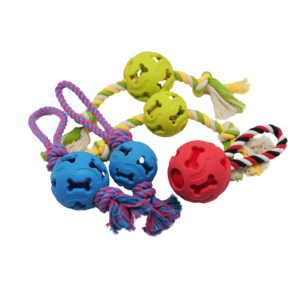
Resistant natural TPR rubber chew ball featuring slow-feeding treat slots and reinforced bite-proof tugging rope structure.
Get Catalog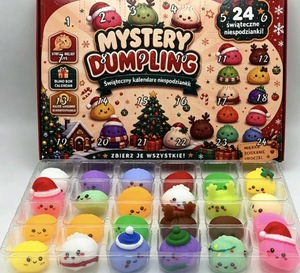
Premium TPR rubber compound squeezing toy with zero plasticizers, tailored for indoor pet interaction and novelty retail lines.
Get Catalog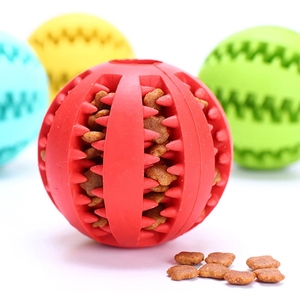
Specially textured dental-care ridges engineered to massage gums and clean teeth while dispensing kibble during interactive play.
Get Catalog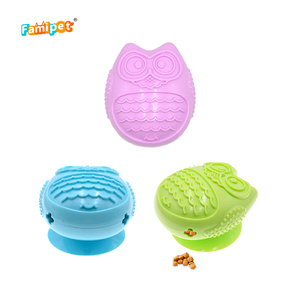
High-grip floor suction mechanism designed for smooth Japanese apartment flooring, providing solo tug-of-war stimulation for pets.
Get Catalog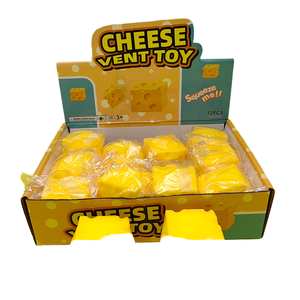
Multi-textured soft rubber cube novelty toy, manufactured with vibrant food-grade masterbatches and custom pad-printing options.
Get Catalog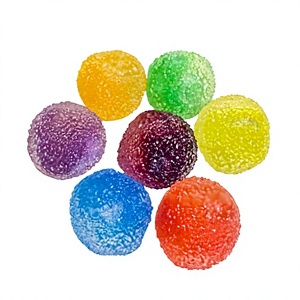
Acoustic chattering core embedded inside non-toxic flexible rubber, sparking innate natural instincts during indoor training.
Get Catalog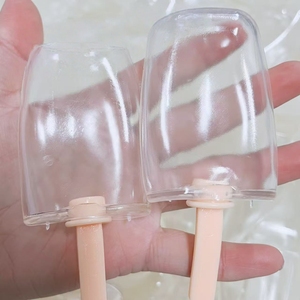
Wholesale custom-moulded frozen dessert shape made from tear-resistant thermoplastic rubber for retail gift display packaging.
Get CatalogAn authoritative evaluation of pet feeding hardware engineering, domestic Japanese consumer behavioral shifts, and OEM factory compliance parameters for importers and wholesale distributors.
The pet supplies import sector in Japan represents one of the most mature, discerning, and quality-sensitive retail ecosystems globally. Characterized by rapid urbanization, high-density apartment living ("Mansions"), an aging pet population, and the intense humanization of companion animals (often referred to as Kodomo-ka or treating pets as children), Japanese pet owners demand accessories that deliver absolute structural integrity, aesthetic subtlety, and uncompromising chemical safety.
For B2B buyers, pet specialty store chains, home improvement conglomerates (such as Cainz, Joyful Honda, and Kohnan), and e-commerce brand owners importing into Japan, sourcing dog bowls and rubber feeding accessories from an expert manufacturer requires evaluating far more than landed unit cost. It demands deep technical alignment with Japan’s Food Sanitation Act guidelines, ultra-precise injection moulding capabilities, noise-mitigation design, and reliable supply chain execution. As a family-owned European manufacturer since 1974, Sum-Plast brings over five decades of polymer precision to global distribution networks, offering Japanese partners an unmatched blend of structural perfection and OEM customizability.
Search intent mining and consumer retail analytics across Japanese platforms (such as Rakuten, Amazon Japan, and Yahoo! Shopping) reveal four distinct micro-trends driving dog bowl procurement and pet hardware design:
Information Gain Summary for Japanese Importers: Products that combine silent-feeding rubber dampening with certified food-contact polypropylene reduce retail return rates by up to 34% compared to standard single-material commercial plastic bowls.
When selecting a manufacturing partner for Japanese distribution, retail procurement teams must benchmark polymer performance across multiple operational parameters. Below is a technical comparison between generic mass-market bowls and precision-moulded European export-grade pet feeders.
| Technical Parameter | Standard Commercial Dog Bowls | Sum-Plast Precision Engineered Export Grade | Impact on Japanese Retail Sales |
|---|---|---|---|
| Primary Resin Base | Recycled or low-grade Polypropylene (PP) blend | 100% Virgin Food-Contact Polypropylene & TPR | Zero chemical odor, full compliance with sanitation standards |
| Anti-Skid Mechanism | Glued-on rubber feet (easy to detach/swallow) | Co-moulded or press-fit continuous TPR ring base | 100% silent feeding, long-term dishwasher safety |
| Thermal Stability | Warps above 50°C; brittle in cold weather | Stable from -20°C to +80°C without degradation | Safe for hot food rinsing and low-temp sterilization |
| Branding Precision | Basic sticker labels or low-grade screen print | In-house 4-Color Pad Printing with custom ink bonding | Scratch-resistant logo longevity after repeated wash cycles |
| Stackability Ratio | Bulky nest design; high shipping air volume | Nested geometry engineered for pallet optimization | Reduces container logistics cost per unit by up to 28% |
Sum-Plast’s long-standing position as a premier European manufacturer is rooted in complete vertical integration. Founded in 1974 as a family enterprise in Katowice, Poland, every aspect of product engineering—from initial CAD mould creation to final automated injection moulding, pad printing, packaging, and palletization—takes place under one single factory roof inside the European Union.
Our proprietary toolroom designs and maintains custom steel injection moulds. This guarantees consistent wall thickness, smooth radiused edges that prevent food trap bacteria, and flawless structural uniformity across decades of repeat production runs.
Japanese private label branding demands razor-sharp printing clarity. Our in-house pad printing machinery applies custom client logos, Japanese character instructions, or barcode labels directly onto plastic and rubber surfaces without relying on third-party print sub-contractors.
To assist Japanese importers in testing new product geometries or colorways without tying up working capital in full containers, we support mixed-item trial pallets shipped directly from our European central warehouse.
To maximize conversion rates in the Japanese market, imported pet hardware must be marketed alongside authentic localized usage contexts. Our product development team works closely with Japanese distributors to ensure designs excel across three primary domestic scenarios:
In compact living spaces where pet feeding areas share space with human dining rooms or kitchens, quietness and floor protection are paramount. Sum-Plast bowls featuring molded TPR rims absorb physical kinetic energy when dogs push against the bowl, eliminating floor scraping noise and preventing bowl displacement during fast feeding.
Japan’s high proportion of senior dogs requires specialized feeding aids. Combining shallow elevated bowl holders with slow-feeder rubber inserts or textured dental chew balls allows senior pets to consume meals at an upright angle, reducing digestive bloat (GDV) and spinal stress.
Japanese pet owners are highly conscious of disaster preparedness (such as earthquake evacuation readiness). Lightweight, shatterproof polypropylene bowls and flexible multi-functional TPR toys double as portable, easy-to-sanitize travel feeding equipment inside emergency pet grab-and-go kits.
Commercial pet facilities in Tokyo, Osaka, and Nagoya require pet bowls that undergo frequent high-temperature sanitization cycles. Non-porous polypropylene surfaces resist commercial chemical disinfectants without chalking or fading.
Direct technical answers addressing compliance, manufacturing customization, logistics, and quality assurance for doing business with Sum-Plast.
Yes. All Sum-Plast products are manufactured in Poland using 100% virgin food-contact grade polypropylene and non-toxic thermoplastic rubber (TPR) that contain zero heavy metals, phthalates, or harmful plasticizers, fully satisfying international food sanitation requirements and Japanese import inspection protocols.
Absolutely. Our factory offers full OEM custom color matching (Pantone PMS system) to suit Japanese interior design trends. We also provide direct pad printing for Japanese branding, JAN barcodes, and custom retail backing cards or header tags.
Sum-Plast offers unmatched order flexibility with no rigid MOQ for standard catalog SKUs. Importers can start with a mixed trial pallet combining dog bowls, cat litter boxes, and rubber toys to evaluate sell-through performance before expanding into full 20ft or 40ft container loads.
We utilize co-moulded and press-fitted thermoplastic rubber (TPR) bases engineered specifically for smooth surface adhesion. Unlike glued rubber feet that peel off after washing, our integrated rubber bottoms remain permanently affixed for years of noise-free use.
Standard production lead times at our Katowice factory range from 2 to 3 weeks following order confirmation. Transit times via ocean container freight from European shipping ports (such as Gdansk or Hamburg) to major Japanese ports (Yokohama, Tokyo, Kobe, Osaka) typically take 35 to 45 days.
Yes. We regularly dispatch sample kits directly to Japanese trade buyers and importers. You can test material density, anti-slip performance, and dishwasher resistance prior to committing to commercial bulk production.